A Little Film With a Big Heart
Every so often, a movie reminds us that the smallest kindness can change an entire family. The Last Cone Before Midnight is one of those movies. Set among bus rides, overtime forms and busy Hong Kong streets, this 1986 family drama finds its sweetness in ordinary people doing their best for one another.
Its world is full of missed dinners and hurried goodbyes, but also neighbours who notice, children who understand more than they say, and even gangsters who might listen when a little girl is nearby. If the film asks for a tear or two, it earns them with a warm sense of humour.
“Sometimes the best gift a father can bring home is simply himself.”
The Story, Without Spoiling the Ending
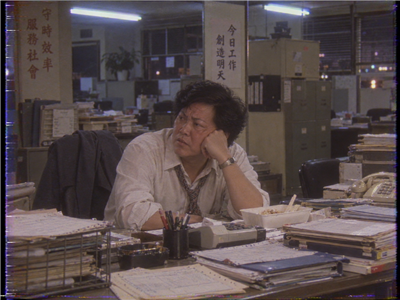
Chan Wai-keung is a widowed accounts clerk whose life is measured in bus schedules, overtime forms and the coins left in the kitchen jar. His eight-year-old daughter, Mei-ling, has become very good at waiting: outside his office, downstairs from their apartment, and beside Auntie Fong’s neighbourhood ice cream cart. The sharp-tongued hawker notices that the girl is often hungry and trying very hard not to complain.
Wai-keung is away so often because he cares deeply. More work means more money, he reasons, and more money means security for Mei-ling. The film gently asks whether that equation has room for the thing she wants most: time with him.
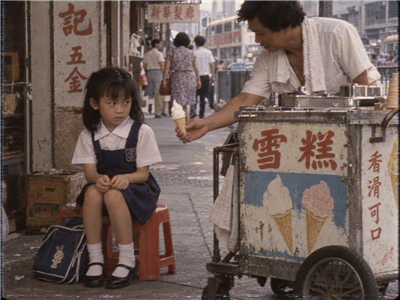
Auntie Fong begins as the comic neighbour and becomes the story’s steady heart. She gives Mei-ling food without calling it charity. One day it is “a cone that came out crooked”; another day it is “stock that will melt anyway.” Mei-ling understands, and accepts the kindness because neither of them has to explain it.
Then the gangster plot arrives by accident. On his way home, Wai-keung helps an elderly man push a bicycle with a broken chain up a steep street. When a debt collector confronts the man, Wai-keung intervenes just long enough to stop the bicycle from falling over. The collector mistakes this for a declaration of loyalty. The old man, happy to have a little protection, does not hurry to correct him.
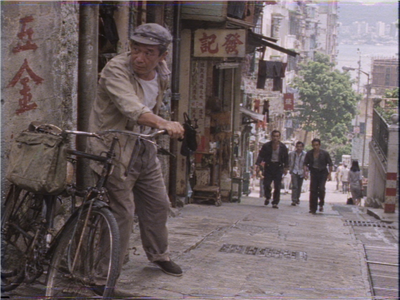
By the next evening, Brother Tat has heard that an unknown office worker has “publicly embarrassed” one of his men. Nobody agrees on what Wai-keung actually did. Somehow he now seems to owe one person an apology, another person money and perhaps a third person a bicycle.
The People Who Make It Matter
Wai-keung: working for love
The father believes providing for Mei-ling and being present for her are the same responsibility. The movie treats him with sympathy: he is a decent man caught between bills and bedtime. Watching him discover the missing piece of his equation gives the story its emotional pull.
Mei-ling: learning to ask
Mei-ling has learned that requests create problems. Adults praise her independence, yet the film lets us see the cost. Her quiet bravery is moving precisely because a child should not have to make herself so easy to care for.
Auntie Fong: kindness by the scoop
Auntie Fong offers food, company, small errands and a place to sit. In the grand tradition of family films, she stands for a neighbourhood that can become an extended family—complete with unsolicited advice.
The elderly cyclist: a little mischief
He is grateful to Wai-keung, frightened of the gang and willing to let a misunderstanding buy him another day of safety. He is no villain; he is an old man who has learned to stay half a step ahead of trouble.
Brother Tat: a tough fellow with a reputation
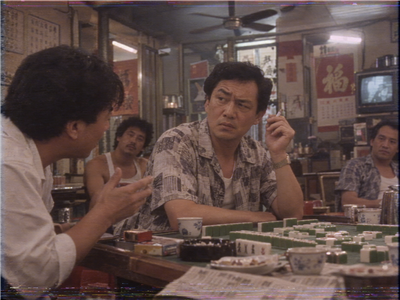
Brother Tat may not be the most frightening person in his own mahjong room, but his reputation matters to him. Once the story of Wai-keung’s supposed defiance spreads, Tat feels he must respond. Their predicament is funnier because both men are trapped by what they think others expect of them.
Good Neighbours, Good Lessons
The Last Cone Before Midnight believes that city life is difficult but can be made gentler through decency, shared meals and a stern lecture from a woman operating a food cart. It is suspicious of overtime and convinced that a disappointed child can make almost any adult reconsider his choices.
Money cannot replace time. Neighbours should look after one another. Children deserve honesty, and elderly people deserve respect even when they accidentally start a gang dispute. These lessons are familiar, but this cheerful little movie serves them with enough wit to make them feel fresh.
Its loveliest wish is that grown-ups might finally realize they should go home on time.
Our Verdict
Is it sentimental? Certainly. Does it use an ice cream cart and a bicycle to tug at our hearts? With great enthusiasm. And does Brother Tat get more reaction shots than most movie villains? He surely does.
Under the gentle silliness is a story about money worries, parental guilt and how one small misunderstanding can upset an ordinary life. More than anything, it is about the people who show up when a family needs help. We recommend a cone, a comfortable chair and someone you love beside you.